Brooklyn's dental implant specialists, since 2004.
Four board-trained oral and maxillofacial surgeons on Coney Island Avenue. More than 10,000 implants placed, robot-assisted precision with Yomi, and sedation options so you can choose how awake you'd like to be.

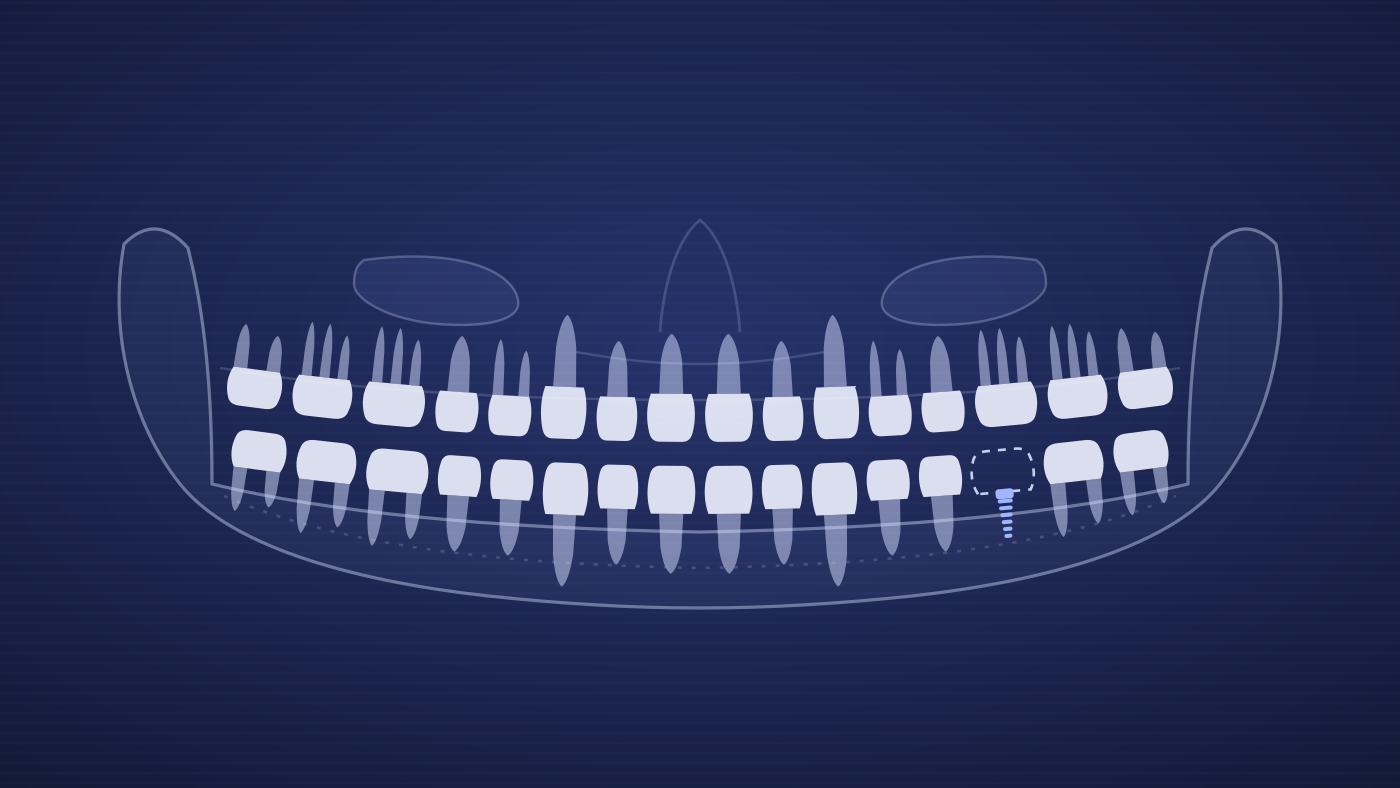
Drag across the image. Everything we do starts on the film.
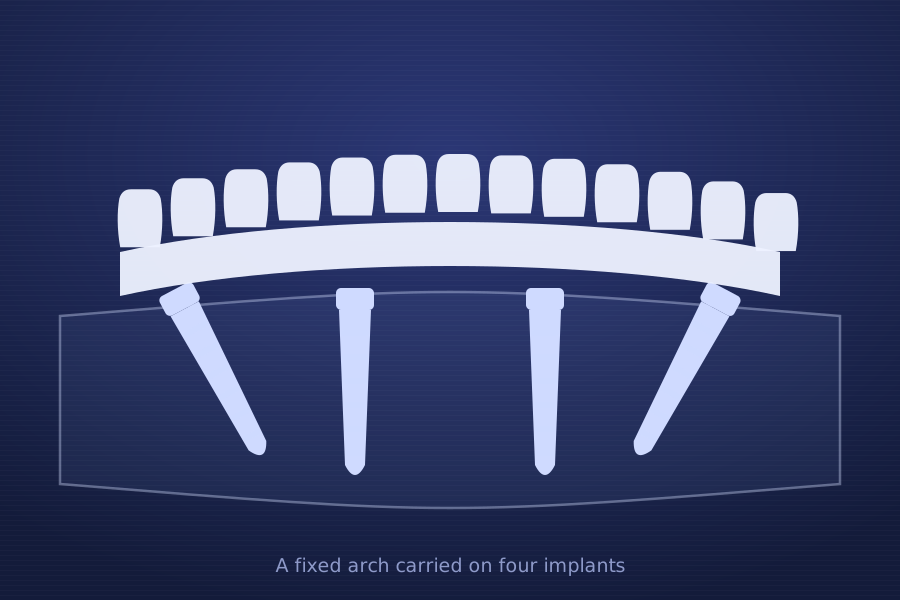
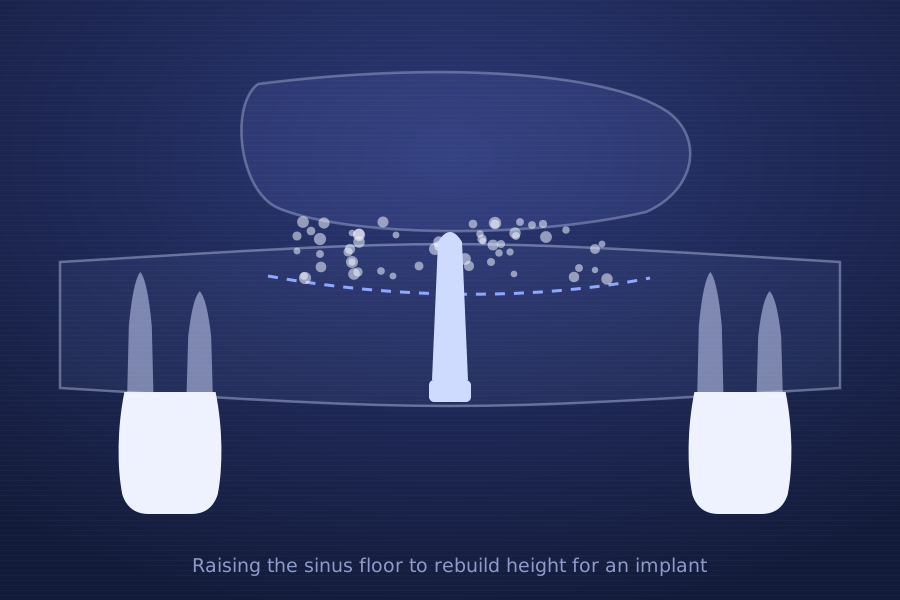
Dental implants
One tooth, a few teeth, or a whole arch.
Implant survival rates are higher when the surgery is done by an oral surgeon rather than a general dentist — that's the finding published in the Journal of the American Dental Association, and it's the reason this practice exists.
Six months, no interest
The practice runs 0% financing over six months on implant treatment, subject to approval. Put in the figure you were quoted and see the monthly.
Robot-assisted surgery
The plan and the placement, finally the same thing.
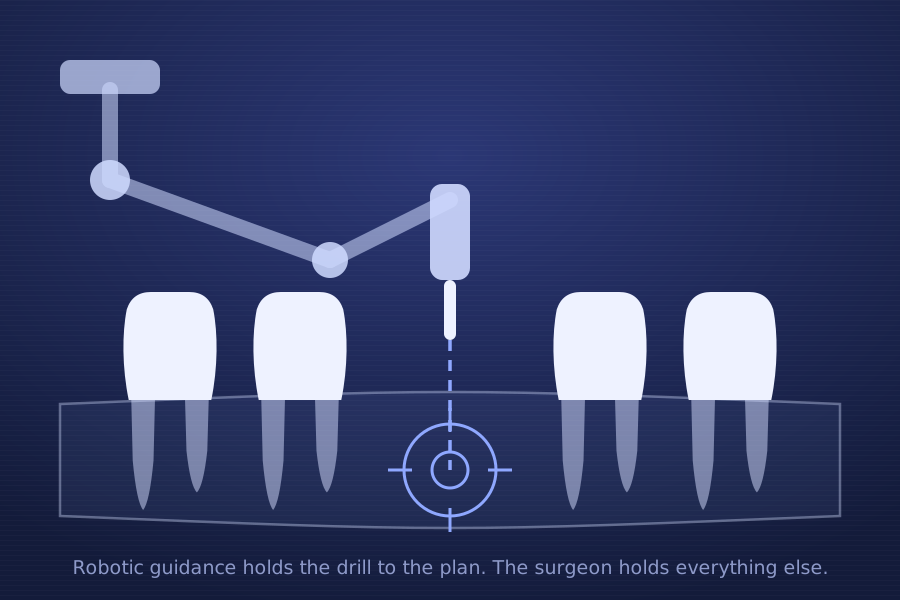
Yomi is the first robotic guidance system cleared for dental surgery in the United States, and this is the only practice in the area using it. It doesn't operate on you — your surgeon holds every instrument. What it does is hold the drill to the plan built from your 3D scan, so the implant ends up where it was designed to go rather than where a steady hand estimates.
Dr. Romsa trained specifically in robot-assisted placement. Dr. Tokar, Dr. Zats and Dr. Gefon remain in control of the procedure throughout.
Schematic illustration of the difference guidance makes, not a measurement of any individual case.
Anaesthesia and sedation
How awake would you like to be?
This is the part most people are really asking about. Four options, and you're not locked into your first answer — we settle it together at the consultation.
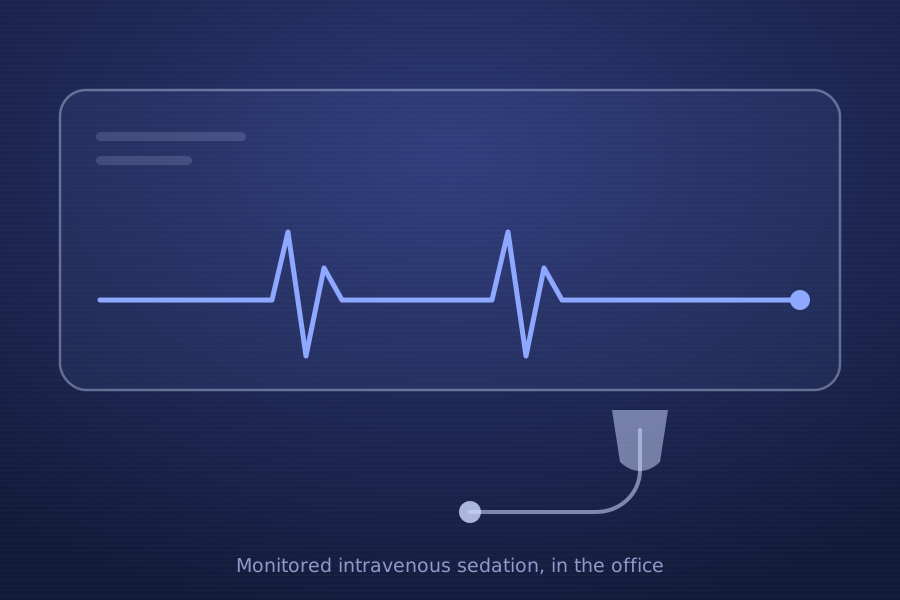
Sedation is provided by an anaesthesia-trained oral and maxillofacial surgeon with a monitored recovery period. We review your medical history and current medications before anything is scheduled.
Pick a part of the mouth, then read the matching procedure below.
Selected area
Procedures
What we treat
Oral and maxillofacial surgery covers the teeth, the jaws, and the face. Some of this you were referred for. Some of it you found at 2am with a swollen cheek.
Ask about your case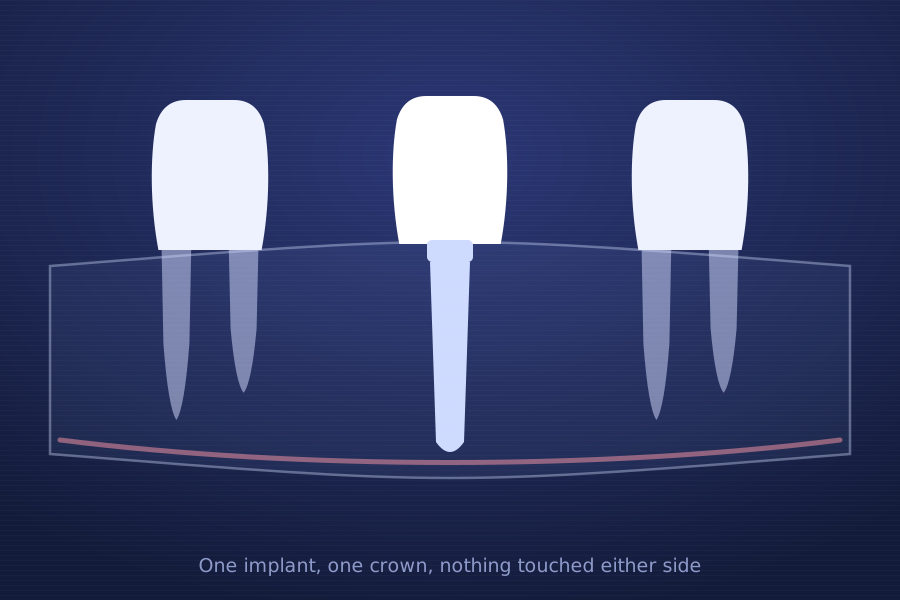
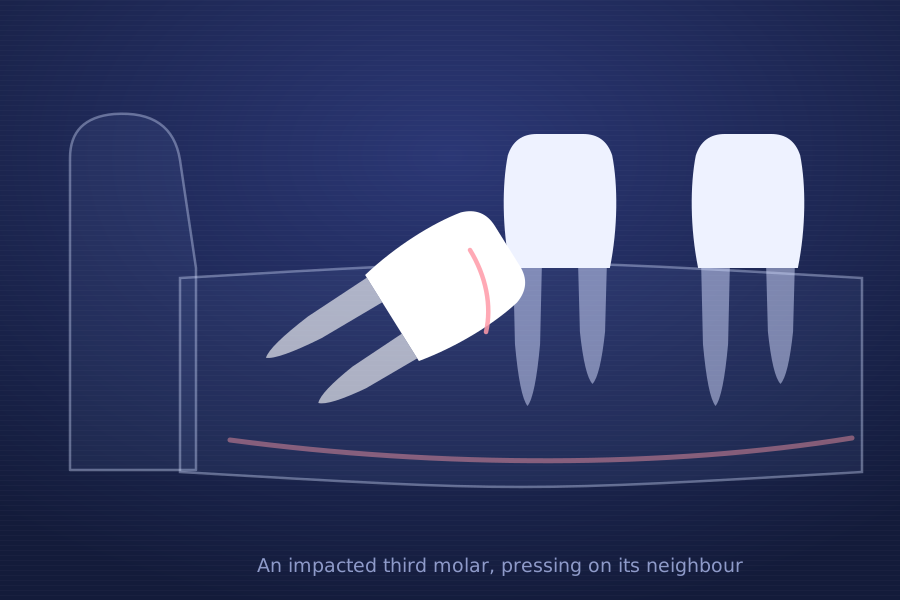

After wisdom teeth
Drag through the two weeks that follow.
Call us straight away if
- Bleeding soaks through gauze after 30 minutes of firm pressure and won't slow down.
- Pain gets sharply worse around day three to five instead of better — that can be a dry socket, and it's a quick fix.
- You run a fever, or swelling keeps growing after day three.
- You have trouble breathing, swallowing, or opening your mouth at all.
- Numbness in the lip or tongue is still there after a few days.
Day or night: 718-743-5400
General guidance only. The written instructions we hand you after your procedure are specific to what was done, and they take priority over anything on this page.
Your surgeons
Four oral and maxillofacial surgeons, one operating room.
Between them: board certification in oral and maxillofacial surgery and in dental anaesthesia, teaching posts at NYU Langone Hospital–Brooklyn, hospital privileges for facial trauma, and more than 10,000 implants placed. Tap a surgeon to read their training.

Your first visit
An hour, start to finish, and you'll leave knowing the price.
Nothing gets scheduled at the first appointment unless you want it to. The consultation exists so you can decide with the full picture in front of you.
- History and medicationsAbout ten minutes of paperwork. Bring the names and doses of anything you take, including supplements and blood thinners.
- Exam and 3D scanCone-beam imaging is done here, so there's no second trip to a radiology office and no waiting on a disc.
- We show you the scanOn screen, pointing at what we're actually looking at — where the nerve runs, how much bone there is, why a tooth is causing trouble.
- Options and a written priceWhat we'd recommend, what the alternatives are, what your insurance covers and what you'd owe. In writing, before you commit.
- Book it, or go think about itSurgery is often available the same week. If you'd rather sit with it, that's a normal answer and nobody will chase you.
What to bring
- Photo ID and your insurance card
- A list of your medications and doses
- Your referral letter or X-rays, if your dentist sent any
- If you're having IV sedation: an adult who can drive you home and stay with you
Patient stories
Pick the one that sounds like you.
Sample copy for layout. Replace with real reviews collected with written patient consent — no treatment details or identifying information without it, and no incentives offered in exchange for a review.
For referring dentists
Send a patient in three steps.
We treat and return. You keep the restorative work, we handle the surgical part and send imaging, notes, and a treatment summary back the same week.
Start a referral- Send the patient's name, contact and a note on what you're seeing. A radiograph helps but isn't required.
- We contact the patient within one business day and schedule the consultation, usually inside a week.
- You receive the surgical report and post-op plan, plus a call from us on anything unexpected.
Consultations
Tell us what's going on.
Three quick questions. No account, no portal, no forms to print. We'll call you back to confirm a time — and if it's urgent, call us instead and we'll find room today.
Questions